What Type Of Fencing Suits Townsville's Climate? Timber Vs Colorbond Vs Aluminium
If you've ever watched a neighbour's timber fence warp and grey after a single wet season, or spotted rust creeping along a panel that looked perfectly fine just a year ago, you already know that choosing the wrong fencing material in North Queensland can be a costly mistake. The region's climate is genuinely tough on outdoor structures, and what works beautifully in Melbourne or Brisbane can deteriorate quickly up here. For anyone researching fencing in Townsville, this guide walks through the three most popular materials, how each one holds up against real local conditions, and which option makes the most sense for your property type.
Understanding Townsville's Climate Challenges for Fencing
Before comparing materials, it helps to understand exactly what your fence is up against. North Queensland's environment is one of the most demanding in the country for outdoor building products, and any fencing solution here needs to be selected with that in mind.
The key stressors include:
- Tropical humidity that accelerates corrosion, rot, and mould growth year-round
- Cyclone season bringing sustained high winds, wind-driven rain, and airborne debris
- Intense UV radiation that fades, dries, and degrades many materials faster than southern climates
- Salt-laden air, particularly in coastal and near-coastal areas, which attacks metals and treated timbers
- Termite pressure, which is among the highest in Australia in this region
How Colorbond Fencing Performs in Tropical Conditions
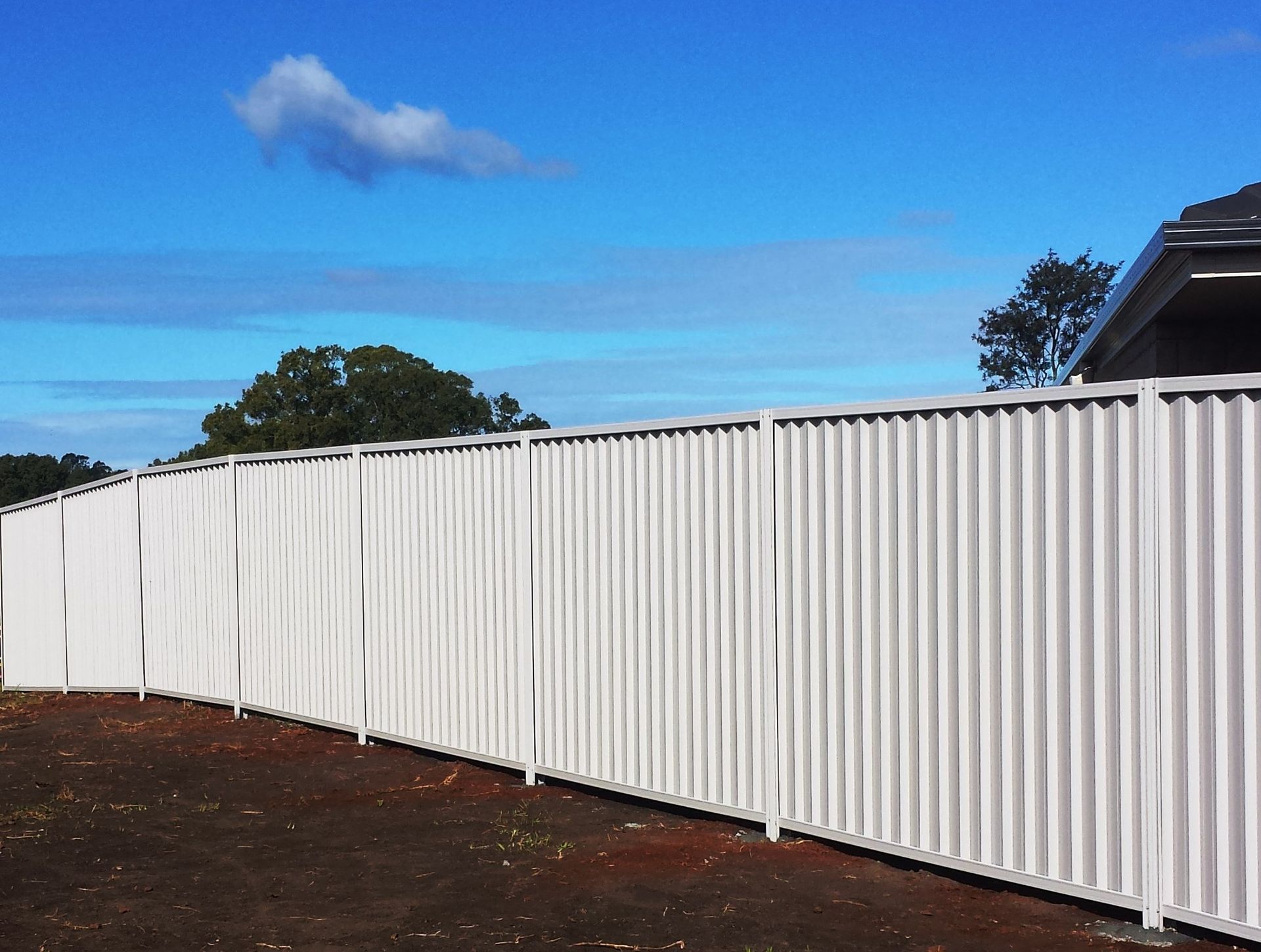
Colorbond has become the go-to fencing material across much of Australia, and in North Queensland it genuinely earns that reputation. The steel is pre-painted with a baked-on finish designed to resist UV fading, and the Zincalume core provides a strong barrier against corrosion.
For most residential properties in the region, Colorbond offers a reliable balance of durability and low maintenance:
- Cyclone-rated panel and post systems are available and widely used in the area
- The painted surface resists humidity and doesn't absorb moisture the way timber does
- Termites cannot damage steel, which removes one of the region's biggest threats entirely
- Colorbond requires no painting, sealing, or annual treatment to maintain its appearance
One consideration worth noting is that near the ocean or in areas with salt air exposure, the steel fasteners and posts need to be appropriate grade, something a qualified fencing contractor in Townsville will factor into any quote.
The Honest Truth About Timber Fencing in North Queensland
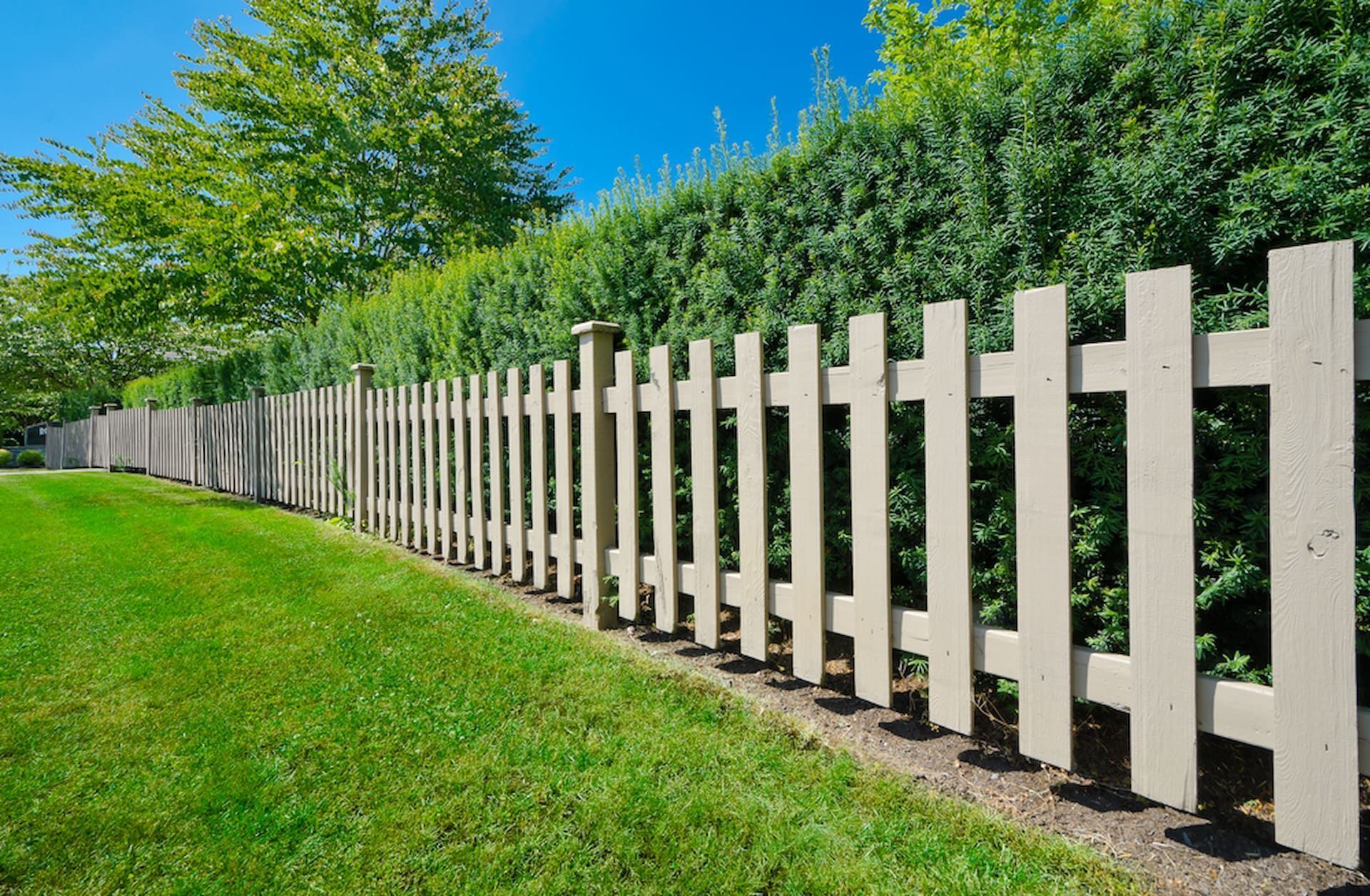
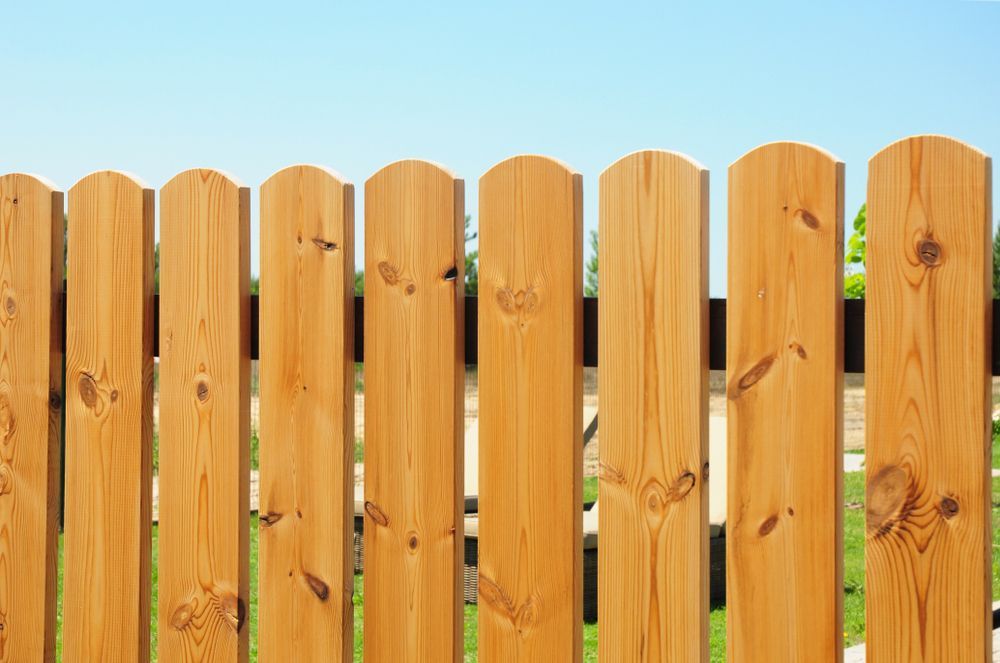
Timber is a classic choice and, in the right context, still a valid one. It offers a natural warmth that steel and aluminium can't replicate, and treated pine or hardwood options have improved significantly in recent years.
That said, timber carries real limitations in this climate that are worth understanding before you commit:
- Untreated or low-grade timber can begin to warp, split, or grey within a single wet season
- Even treated pine requires regular oiling or painting to resist moisture penetration over time
- Subterranean termites are a persistent threat, and no timber treatment offers lifelong protection without ongoing maintenance
- High humidity can cause swelling and movement in fence panels, affecting gates and structural integrity
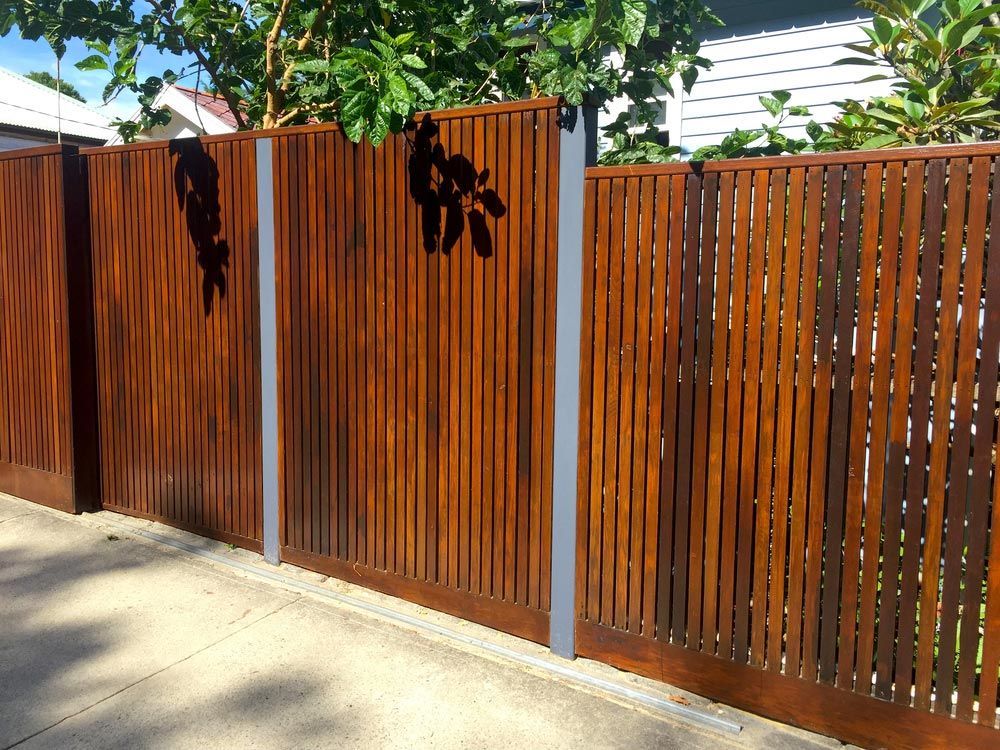
For those who prefer the look of timber, hardwood species like ironbark or merbau perform considerably better than pine. The trade-off is higher upfront cost and the same ongoing maintenance requirements. Many homeowners also find that searching for 'fencing near me' after five to seven years reveals far more deterioration than expected when compared to steel alternatives.
Why Aluminium Fencing Is Growing in Popularity
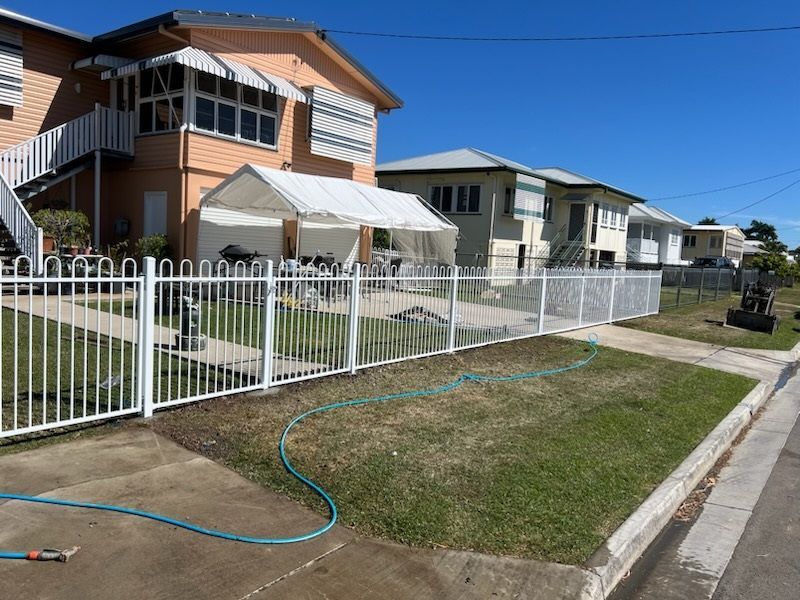
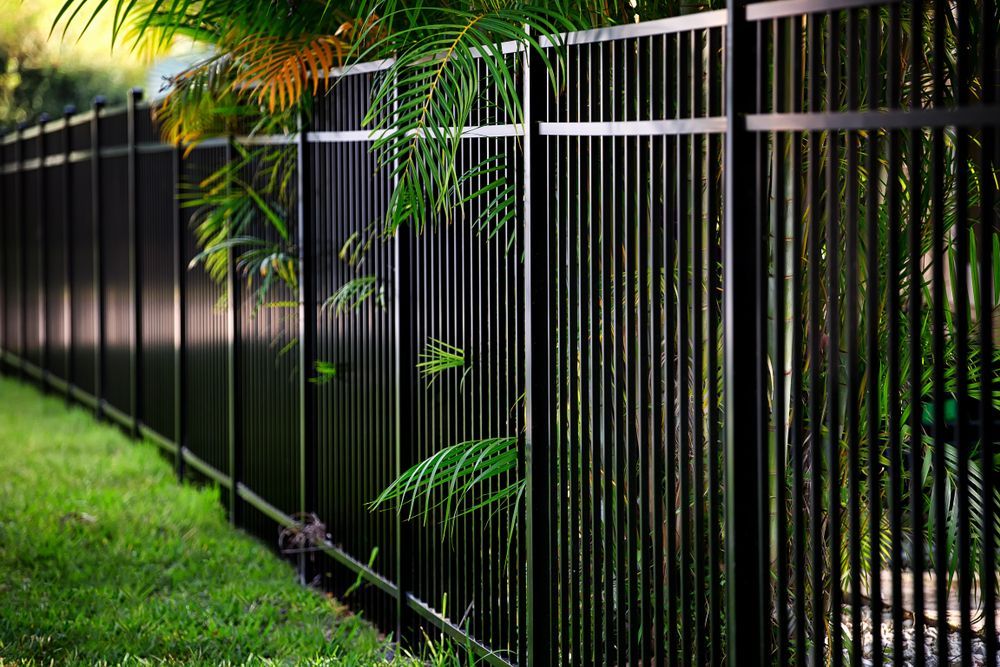
Aluminium has moved well beyond pool fencing in recent years and is now a serious option for boundary, decorative, and semi-commercial applications. Its core appeal is straightforward: it doesn't rust, doesn't rot, and requires almost no maintenance.
For North Queensland conditions specifically, aluminium offers some standout advantages:
- Naturally corrosion-resistant, making it an excellent choice for coastal properties with salt air exposure
- Powder-coated finishes hold up well against UV without the same fading risk as some painted surfaces
- Zero termite risk, removing another major maintenance concern from the equation
- Lightweight profiles make installation and future repairs more straightforward
The main limitation is structural. Aluminium lacks the rigidity of steel, which means it's generally better suited to decorative, pool, or courtyard applications rather than primary boundary or security fencing where cyclone loading is a concern. That said, heavier-grade commercial aluminium systems can perform well in higher wind zones when correctly installed.
Pool Fencing Considerations in a Tropical Climate
Pool fencing in this region sits at the intersection of legal compliance and material performance. Queensland pool fencing laws are non-negotiable regardless of the material chosen, but the climate adds an extra layer of decision-making.
The most important factors for pool fence selection here include:
- Glass frameless panels look stunning but require regular cleaning to manage calcium and algae build-up in a humid climate
- Aluminium pool fencing is the practical favourite for its corrosion resistance, compliance-ready heights, and clean appearance
- Colorbond can be used for pool surrounds in certain configurations, though visibility requirements often rule it out for the fence itself
- When searching for 'fencing near me' for pool enclosures, prioritise contractors who understand local council requirements, as compliance inspections are mandatory
Rural and Large Property Fencing in North Queensland
Larger landholdings in and around the region present a different set of requirements. Stock containment, boundary definition over long runs, and cost per metre all become dominant factors when you're dealing with acreage rather than a suburban block.
Rural fencing options tend to focus on a different set of priorities:
- Post-and-rail or post-and-wire systems remain the practical and cost-effective choice for large perimeters
- Steel star pickets or treated timber posts are common, though the choice depends heavily on soil type and whether the fence runs through flood-prone areas
- Colorbond is used on rural properties for yard sections, sheds, or residential boundaries but rarely for long paddock runs due to cost
- Termite-treated hardwood posts are a long-standing standard for rural fencing and remain relevant, though they require periodic inspection
Commercial Fencing Priorities: Security, Durability and Compliance
Commercial applications have their own requirements that differ from residential in both scale and purpose. Whether it's a construction site, industrial yard, retail precinct, or school, the fencing needs to balance security with compliance and longevity.
Key considerations for commercial properties include:
- Cyclone-rated steel fencing systems are strongly recommended for any exposed or large-scale commercial perimeter
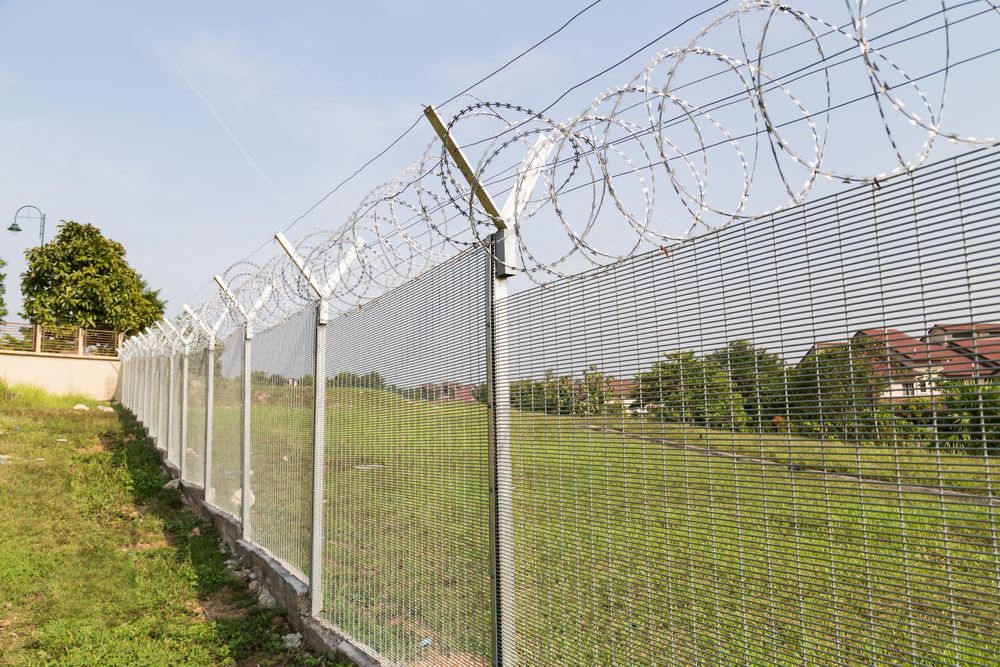
- Security height requirements often mean Colorbond or steel palisade fencing rather than aluminium or timber
- Temporary fencing for construction sites is a common service requirement and must comply with SafeWork Queensland standards
- Commercial clients typically prioritise low-maintenance materials, making Colorbond and powder-coated aluminium the default choice for anything client-facing
A Simple Decision Matrix: Which Material Suits Your Property?
Rather than prescribe a single answer, the right material genuinely depends on your specific situation. Here's a practical summary to help narrow it down:
- Suburban residential boundary: Colorbond is the clear frontrunner for durability, cyclone resistance, and low maintenance
- Pool fencing: Aluminium or glass frameless, depending on budget and aesthetic preference
- Coastal property: Aluminium for its salt resistance, or Colorbond with marine-grade fasteners
- Rural or large acreage: Post-and-wire with treated or steel posts for long runs; Colorbond for residential sections
- Decorative or low-boundary: Aluminium, particularly powder-coated for colour matching
- Tight budget with a preference for natural materials: Hardwood timber with a clear maintenance plan in place
If your property doesn't fit neatly into one category, a site assessment from experienced fencing contractors in Townsville will give you a recommendation based on actual soil conditions, wind exposure and how the fence will be used day to day.
When It's Time to Replace Rather Than Repair
One practical topic that often gets overlooked in material comparisons is knowing when an existing fence has reached the end of its serviceable life. In North Queensland's climate, that point can arrive faster than most homeowners expect.
Signs that repair is no longer cost-effective include:
- Timber posts rotted at the base, which is a structural failure point and not safely repairable with a patch
- Widespread rust or corrosion on steel panels, particularly where the coating has been breached
- Cyclone or storm damage that has compromised the post footings or the structural alignment of the fence line
- Termite damage that has spread through multiple posts or rails, rather than a single isolated section
A good rule of thumb is that if repairs would cost more than 40 to 50 percent of a replacement, the replacement is almost always the better long-term investment, particularly given material improvements in the past decade.
Get a Free Quote and Fence With Confidence
We at Fencing Around understand that choosing the right fencing material isn't just about aesthetics. It's about making a decision that will hold up through wet seasons, high humidity, the occasional cyclone, and decades of harsh Queensland sun. We work with homeowners, rural property owners, and commercial clients across the region, and we're happy to assess your site and give you an honest recommendation before you spend a cent.
Whether you're replacing an old timber fence that's seen better days, building a new pool enclosure, or securing a commercial property, the right fencing in Townsville starts with the right advice. Reach out today for a free, no-obligation quote and make sure your next fence is built to last.